

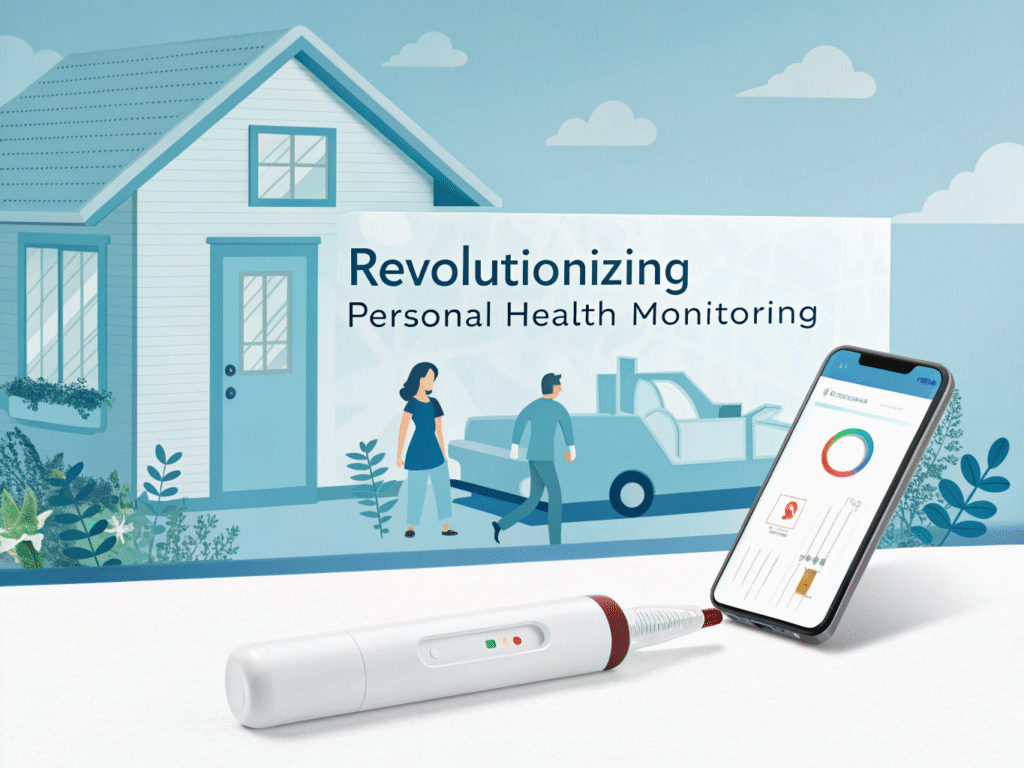
As the healthcare industry continues to evolve, the demand for innovative ways to manage personal health has led to the emergence of home blood tests. These tests offer an unprecedented level of convenience and accessibility to individuals looking to stay proactive about their health. By simplifying the process of blood testing, patients can now gain insights into their health metrics without stepping out of their comfort zone. Understanding the benefits and limitations of this modern health tool is essential for making informed decisions about personal health management. Below is an exploration of how home blood tests are changing the landscape of personal healthcare.
How Home Blood Tests Work and What They Can Measure
Home blood tests typically involve collecting a small sample of blood, usually through a finger prick, which is then sent to a laboratory for analysis. The process starts with ordering a kit online or purchasing it from a pharmacy. Once the sample is taken, it is secured in the provided packaging and mailed or couriered to the lab, adhering to the provided instructions.
The scope of conditions and health markers that can be measured via home blood tests is continually expanding. Tests can measure a variety of biomarkers, encompassing cholesterol levels, blood glucose, liver function, thyroid hormones, and more. For individuals tracking specific health conditions or those undergoing treatment, these tests can measure key metrics relevant to their needs.
For those seeking more discretion when it comes to health screening, home blood tests offer a level of privacy that public or hospital labs cannot. By taking samples in the privacy of one’s home, these tests provide a discreet solution for those who value confidentiality. Companies offer private blood tests that cater to this need, ensuring that the process from start to finish is managed with the utmost privacy in mind.
The Impact of At-Home Blood Testing on Preventive Healthcare
At-home blood testing is redefining preventive healthcare by making it easier for individuals to identify potential health issues early on. The convenience of these tests promotes regular monitoring, which is a cornerstone of preventive medicine. Early detection of abnormal values can lead to timely interventions, potentially averting more serious health problems down the line.
Preventive healthcare is not just about early disease detection; it’s also about lifestyle adjustments. Home blood tests can signal an alert to lifestyle-related risk factors, such as high cholesterol or glucose levels, prompting users to make necessary changes to their diet or exercise routines. This immediacy of feedback creates a direct link between test results and daily habits, fostering a more health-conscious lifestyle.
Comparing Traditional Lab Tests and Home Blood Test Kits
The traditional approach to blood testing involves scheduling an appointment, traveling to a clinic or lab, and often waiting for results to be communicated through a healthcare provider. In contrast, home blood test kits offer a level of convenience and speed that traditional labs cannot match. Not being bound by appointments or clinic hours, individuals can collect samples at a time that suits them, within the comfort of their own homes.
While home test kits provide convenience, they might not always cover the extensive range of tests available at a traditional lab. Clinical laboratories can handle more complex analyses and offer a wider variety of tests. Furthermore, some conditions require precise handling of samples or immediate processing, which is only possible in a fully equipped lab environment.
Privacy and Accuracy: Understanding the Limitations of Home Blood Tests
When considering the use of home blood tests, two key aspects need scrutiny: privacy and accuracy. The convenience of conducting tests at home can come at the cost of precision if not done correctly. Ensuring that the sample is collected, stored, and transported under optimal conditions is critical for accurate results. Any deviations from the recommended protocol can compromise the quality of the sample, leading to incorrect readings.
Despite the associated convenience, privacy concerns may arise with home blood tests. While users benefit from discretion during the collection process, the subsequent data handling and sharing can be areas of vulnerability. Consumers need to understand how their data is protected and who has access to it, emphasizing the need for a robust privacy policy from the test provider.
Overall, home blood tests represent a significant advancement in the realm of healthcare, offering both opportunities and challenges. While they empower individuals to take a proactive role in their health management and increase the accessibility of preventive care, it’s important to recognize the boundaries and the conventional lab testing’s potential complementary role. As technology continues to improve, these tools will no doubt become an even more integral part of our healthcare routines.
