

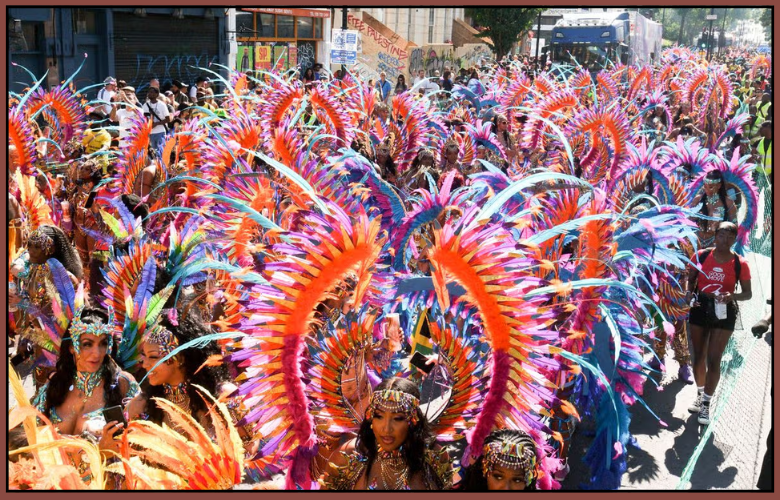
2026 Notting Hill Carnival was a significant cultural festival in London that showcased the culture of the Caribbean through music, vibrant costumes, dancing, and street food in West London. Occurring during the August Bank Holiday weekend, it celebrated the 60th Anniversary of the Notting Hill Carnival and brought visitors who wanted to experience this unique and popular cultural festival in the UK. Activities in the festival included the use of steelpan, sound systems, calypso, soca, and beautiful parade costumes. Traditionally, the Sunday activities revolved around the children’s day while the activities on Monday involved the parade in Notting Hill.
What Was Notting Hill Carnival 2026 and What Was the Latest News?
The carnival took place from Saturday 29 August to Monday 31 August 2026. Sunday and Monday were the main street celebration days. Saturday also featured Panorama, the major steelband competition. The 2026 event had extra meaning because it marked the 60th anniversary of the carnival. The weekend brought music, dancing, costumes and food to the streets of west London.
News about the event focused on its huge crowds, public safety and transport plans. Police made hundreds of arrests during the main celebration days. Officers also recovered weapons during searches. These reports attracted a lot of attention online. However, most visitors came to enjoy the music, culture and atmosphere. The event continued despite safety concerns and online discussion about possible problems.
Another important moment came during the weekend. A 72-second silence took place at 3pm on Sunday and Monday. The tribute remembered the 72 people who died in the Grenfell Tower fire. It also remembered other members of the local community who had died. The tribute showed the strong link between the carnival and the people who live in the surrounding area.
Tickets, Dates, Lineup and Main Events
The main street carnival is different from a normal music festival. Visitors do not need a general entry ticket to watch the street parades. The main celebration takes place across open streets in west London. Some special events, viewing areas and grandstands can have separate ticket rules. People looking for 2026 carnival tickets needed to check each event before making plans.
Saturday started the main weekend programme with Panorama and other activities. Panorama gives steelpan bands a chance to perform and compete. Sunday focused on Children’s Day and included J’ouvert, the opening ceremony and the Children’s Day Parade. Adult masquerade, sound systems and live performances also added to the busy Sunday programme.
Monday brought the main Adults Day celebrations. Mas bands moved through the streets in large groups. Dancers wore colourful and detailed costumes. Music came from soca, calypso, reggae and dancehall traditions. The lineup was not only about famous singers. Mas bands, steel bands, dancers, sound systems and community groups all helped create the full carnival experience.
Route, Transport and Visitor Experience
The parade route covered about three and a half miles through west London. It passed areas such as Westbourne Park, Chepstow Road, Westbourne Grove, Ladbroke Grove and Kensal Road. The route also connected with streets around the wider carnival area. Visitors who wanted to see different parts of the event needed to allow plenty of time for walking.
Transport was one of the biggest concerns for visitors. Road closures affected cars, taxis and buses. Some Tube stations also faced restrictions during the busiest periods. Large crowds made many journeys slower than usual. Walking often became the easiest way to move between different parts of the carnival, but even short walks could take longer in crowded streets.
Good planning can make the day easier. Visitors should check travel updates before leaving home. Comfortable shoes are useful because the event involves a lot of walking and standing. People should also keep phones and wallets secure. Families can choose a meeting point before entering the busiest areas in case someone gets separated.
Stabbings, Arrests and Safety Information
Safety became one of the main topics after the carnival. Police ran a large operation across the main celebration days. Thousands of officers helped manage crowds and respond to incidents. Police also used stop-and-search powers in areas around the event. Their work aimed to prevent weapons and serious violence from creating greater risks.
Police reported hundreds of arrests during the main days. Officers also recovered weapons during searches, including knives and a handgun. Two knife-related assaults made headlines. Neither incident caused life-threatening injuries. These reports raised concerns among some visitors, but they should also be viewed against the huge number of people who attended the carnival.
Large public events always bring safety challenges. Crowds can make movement difficult. Theft, arguments, lost children and medical problems can also happen. Visitors should stay aware of their surroundings and avoid confrontations. They should follow instructions from police and event staff. Anyone who feels unsafe should move away from trouble and seek help.
Frequently Asked Questions
1. When was Notting Hill Carnival 2026 held?
The event took place over the August Bank Holiday weekend, with the main celebrations held on Sunday 30 August and Monday 31 August 2026.
2. Where was the event held?
The celebrations took place across west London, particularly around Notting Hill, Ladbroke Grove and Westbourne Park.
3. What was special about the 2026 celebration?
The 2026 event marked the 60th anniversary of the Carnival, making it a particularly important milestone.
4. What could visitors see?
Visitors could enjoy colourful costumes, Caribbean music, steelpan bands, dancing, sound systems, food stalls and spectacular parade performances.
5. Was there a children’s event?
Yes. Sunday featured the Children’s Day Parade, providing a more family-friendly part of the celebrations.
Conclusion
2026 Notting Hill Carnival offered yet another delightful festival celebrating Caribbean culture and music in London. As the carnival marked its 60th anniversary, this event took on even greater significance by offering a wonderful opportunity to gather and celebrate Caribbean culture through performances, parades, dancing, and much more. In addition to enjoying steelpan music and sound systems, visitors could try traditional Caribbean foods and admire masquerade shows during this colorful event. The Notting Hill Carnival demonstrated the rich culture and history of London’s Caribbean communities. No matter whether one came for the music, fun atmosphere, cuisine or cultural heritage, everyone could find a unique London experience at the carnival.
