

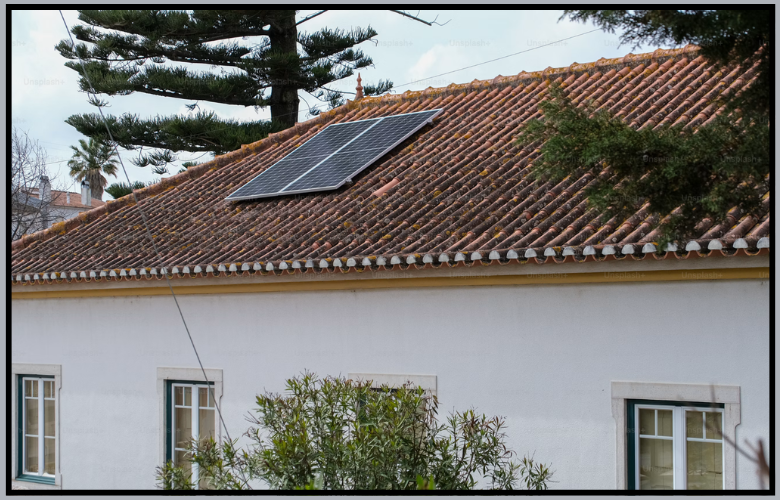
The Microgeneration Certification Scheme (MCS) recently reported that around 33% of renewable energy installations in 2026 combined multiple technologies at once. What’s more, 2026 represented a record year for sustainability, as UK certified renewable installations were almost 20% higher than they were in 2025.
This is excellent news for the country as a whole, representing a major turning point in terms of our perception of sustainable technologies, and what they can do for our homes, lifestyles, and finances.
Even just a few years ago, UK homeowners felt concerned by the risk of insufficient battery storage – or, often, there being insufficient sunshine to generate enough electricity to meet the household’s needs. There were concerns about payback period, and how long it would take to reap any benefit from energy exports or bill savings. Beyond solar, our understanding of complimentary renewable energy installations like heat pumps was quite limited, and venturing into what felt like ‘uncharted territory’ was too daunting, particularly at a time when the cost of living put every home improvement under the financial microscope.
Those concerns haven’t been totally eradicated, but more homeowners than ever are aware of the realities of domestic renewable installations thanks to the progress being made by renewable energy specialists like GSM Limited.
First of all, it’s about leaving fossil fuels behind
Fossil fuels aren’t just bad for the planet and counter to any and all sustainability goals. They’re also at the mercy of global supply chains which, in recent years in particular, have been frequently interrupted by conflict, climate change, and political interference.
We know that, despite efforts toward change, much of the national grid is still fed by fossil fuels, which carry a hefty carbon footprint and continue to damage the planet as they are burned for energy. This means that the most obvious choice for a healthier and more sustainable life is solar energy with sufficient battery storage to keep homes powered throughout the night, but we’re learning that it doesn’t stop there.
It’s also about better living
Heat pumps are another alternative to fossil fuel dependence, since traditional boilers rely either on electricity from the grid, oil, coal, or LPG to run. They are more efficient and designed to provide a more comfortable level of warmth in a home, rather than representing an inefficient system that drives energy bills skyrocketing in the winter months. Designed for the 21st century both in terms of efficiency and sustainability, heat pumps are enabling households to live comfortably, without the same ‘vicious cycle’ of inefficient heating being switched on and off to strike a near-impossible balance between cost efficiency and sufficient warmth.
Solar panels are now supported by battery storage technology that supports households through the night, or through days of reduced energy generation. While, once, battery storage was only partially able to meet this need, the technology to make solar a viable alternative without the need to constantly supplement with the national grid, is now here. Heat pumps are an obvious next step for energy conscious households, and it’s no surprise that that’s the direction the domestic sector is heading in. a
