

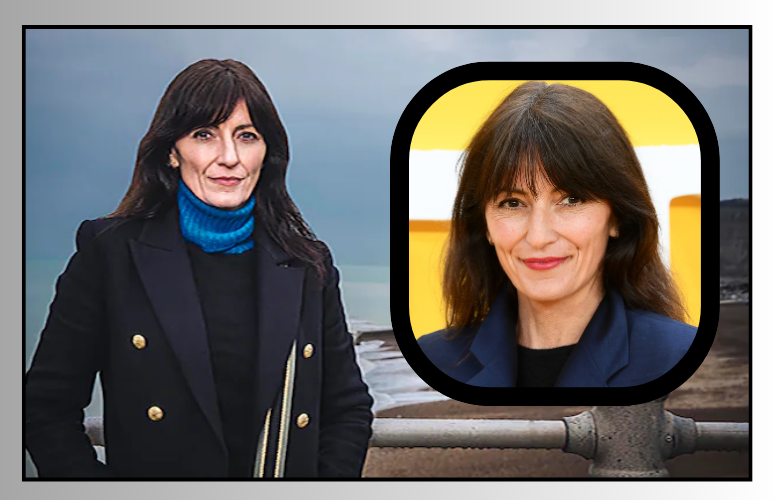
Davina McCall menopause journey has been a landmark story in raising awareness about women’s health during midlife. The British television presenter has openly shared her experiences with perimenopause and menopause, including night sweats, hot flushes, fatigue, brain fog, mood swings, and disrupted sleep, helping millions of women feel empowered and understood. Her openness has highlighted the importance of combining medical guidance, lifestyle adjustments, and emotional support to manage menopause effectively. Many women enter this life stage with little knowledge or support, leading to stress and confusion. McCall’s story encourages women to take control of their health, seek professional guidance, and adopt strategies that improve overall wellbeing.
Her advocacy also demonstrates the need to break societal stigma around menopause. By sharing both the physical and emotional aspects of her journey, she emphasizes that menopause is a natural life stage that can be managed successfully with the right approach.
Understanding Menopause and Perimenopause
Menopause marks the end of menstrual cycles, diagnosed after 12 consecutive months without a period, usually between 45 and 55 years old. Perimenopause, which occurs years earlier, is the transitional stage where hormonal fluctuations trigger a variety of symptoms. Common experiences include irregular periods, night sweats, hot flushes, fatigue, sleep disturbances, vaginal dryness, and joint pain. Cognitive challenges such as brain fog, memory lapses, and difficulty concentrating are common, while emotional symptoms may include mood swings, anxiety, and irritability.
Menopause Statistics:
-
80% of women experience hot flushes
-
70% have night sweats
-
60% report mood swings or anxiety
-
50% experience cognitive challenges
Understanding the stages and symptoms of menopause allows women to prepare, seek guidance, and explore treatments such as HRT, as well as lifestyle strategies to ease the transition.
Davina McCall’s Menopause Journey
Davina began noticing perimenopause symptoms in her mid-40s, including irregular cycles, severe night sweats, extreme fatigue, and disrupted sleep. Initially unaware that these were menopause-related, she experienced anxiety and stress. Cognitive symptoms such as brain fog, memory lapses, and difficulty focusing made daily tasks more challenging, affecting both work and family life. She described the experience as “terrifying and lonely,” highlighting the lack of public awareness and support for women during this stage. By sharing her story, she encouraged women to recognize their symptoms, seek professional guidance, and take proactive steps to manage menopause effectively.
Emotionally, she faced mood swings, irritability, anxiety, and a sense of invisibility, demonstrating the psychological impact of menopause. Hormonal changes can intensify emotions, and societal stigma often discourages women from discussing their experiences openly. McCall emphasizes the importance of mental health support, including therapy, mindfulness, support groups, and exercise, as part of comprehensive menopause management. Her advocacy demonstrates that addressing emotional wellbeing is just as important as treating physical symptoms.
Common Symptoms Experienced
Davina McCall menopause symptoms cover physical, cognitive, and emotional challenges:
Physical Symptoms:
-
Hot flushes and night sweats disrupting daily life
-
Vaginal dryness affecting intimacy and confidence
-
Fatigue, headaches, joint stiffness, and muscle aches
-
Skin changes and hair thinning
Cognitive and Emotional Symptoms:
-
Brain fog and forgetfulness
-
Difficulty concentrating and decision-making
-
Mood swings, irritability, and anxiety
-
Sleep disruption leading to daytime fatigue
Statistics:
-
80% of women experience hot flushes
-
70% experience night sweats
-
60% report mood swings or anxiety
-
50% experience cognitive difficulties
Her openness has helped normalize these symptoms and encourage women to seek medical advice and lifestyle interventions.
Hormone Replacement Therapy and Medical Support
HRT is one of the most effective methods for managing menopause symptoms. Davina McCall credits HRT with reducing hot flushes, stabilizing her mood, improving sleep, and boosting energy. She initially hesitated due to outdated risk concerns but learned that modern HRT treatments are safe, personalized, and highly effective when prescribed by a healthcare professional.
Benefits of HRT:
-
Reduces hot flushes and night sweats
-
Improves sleep quality
-
Stabilizes mood and reduces anxiety
-
Supports bone health and reduces osteoporosis risk
-
Enhances overall quality of life
When combined with exercise, nutrition, and mental health support, HRT provides a comprehensive approach to managing menopause successfully.
Lifestyle Strategies for Managing Menopause
Alongside medical treatments, lifestyle strategies are essential for symptom management. Davina McCall emphasizes a holistic approach including exercise, nutrition, sleep hygiene, mental health care, and education.
Recommended Lifestyle Strategies:
-
Exercise: Yoga, walking, swimming, or resistance training improves mood, sleep, and cardiovascular health.
-
Nutrition: Diet rich in calcium, protein, and vitamins supports hormone balance and bone health.
-
Sleep Hygiene: Establishing regular sleep routines reduces fatigue and night sweats.
-
Mental Health Support: Therapy, mindfulness, and support groups help manage anxiety and mood swings.
-
Education: Understanding menopause empowers women to take control of their health.
Combining these strategies with HRT allows women to manage symptoms effectively and maintain confidence during menopause.
Public Advocacy and Awareness
Davina McCall has become a prominent advocate for menopause awareness, raising public consciousness and challenging stigma. Through interviews, documentaries, and campaigns, she emphasizes open dialogue, medical guidance, and lifestyle strategies for women during menopause.
Her Advocacy Highlights:
-
Encouraging open conversations about symptoms and treatments
-
Promoting education on perimenopause and menopause
-
Supporting access to HRT and lifestyle interventions
-
Breaking societal stigma around aging
Her efforts empower women to approach menopause confidently, seek medical advice, and maintain wellbeing during this transitional life stage.
Frequently Asked Questions
How old is Davina McCall?
Davina McCall was born on 16 October 1967, making her 58 years old in 2026.
Is Davina McCall ill?
There is no public report of illness; she focuses on wellness, menopause awareness, and fitness.
How is Davina McCall?
She is reportedly in good health and actively works in television, public advocacy, and fitness projects.
Is Davina McCall married?
Yes, she is married to Matthew Robertson, a businessman and entrepreneur.
Who is Davina McCall married to?
Davina McCall is married to Matthew Robertson, and they maintain a relatively private family life.
Does Davina McCall have children?
Yes, she has three children, including two daughters and a son.
What happened to Davina McCall?
There are no recent health concerns. She has publicly discussed her menopause journey to educate women and break stigma.
Conclusion
Davina McCall menopause journey highlights the importance of transparency, education, and proactive care. By sharing her experiences with physical, cognitive, and emotional symptoms, HRT treatment, and lifestyle strategies, she empowers women to navigate menopause confidently. Her advocacy stresses that menopause is a natural life stage, and women can manage it successfully with medical support, lifestyle adjustments, and mental health care. Her story serves as a guide, providing reassurance, empowerment, and practical advice for women experiencing perimenopause and menopause.
