

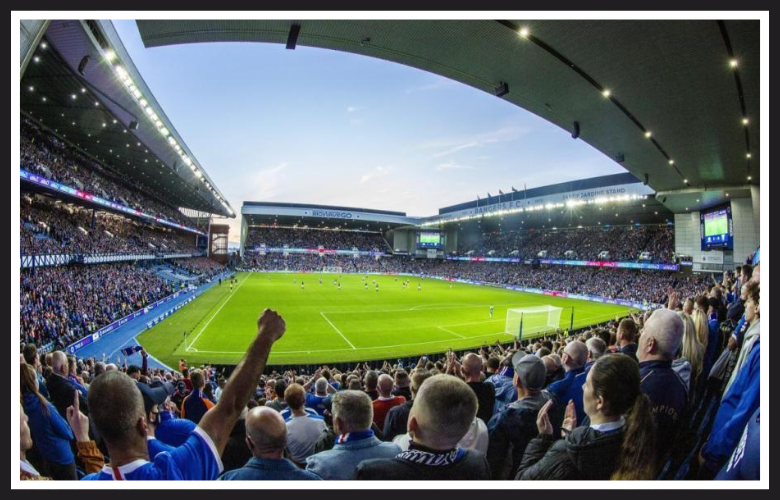
The Old Firm Derby between Rangers F.C. and Celtic F.C. is one of the most historic and fiercely contested fixtures in world football. It is not just a match in the Scottish Premiership, but a rivalry shaped by more than a century of competition, pride, and shifting dominance between two Glasgow giants. When people search for Rangers F.C. vs Celtic F.C. stats, they are usually looking for a deeper understanding of how balanced this rivalry is, how results have changed over time, and what the numbers actually reveal about both clubs.
As of 2026, the statistical record is almost perfectly level, which makes this fixture one of the most competitive derbies in global football. This article breaks down the latest head-to-head data, historical patterns, performance trends, and prediction insights in a clear and human-readable way. The focus is on meaningful analysis rather than just numbers, helping readers understand why this rivalry continues to attract worldwide attention.
Head-to-Head Record (Updated 2026)
As of 10 May 2026, Rangers and Celtic have faced each other 452 times in all major competitions. What makes this rivalry so unique is how evenly balanced the record remains even after such a long football history.
Both teams have won 172 matches each, while 108 games have ended in a draw. This means there is no clear long-term dominance between the two clubs, which is extremely rare in football rivalries that span over a century. The balance also extends to goals scored, with both sides producing very similar attacking returns across all eras.
This level of equality shows that every Old Firm match is shaped more by form, tactics, and match-day pressure than historical advantage. Even when one side enters in better form, the head-to-head record suggests that the outcome is never guaranteed.
Historical Development of the Rivalry
The long-term story behind this fixture is shaped by different eras of dominance rather than consistent superiority. Rangers were particularly strong in earlier decades, building a foundation of league success through disciplined defending and structured tactical systems. Their consistency helped them accumulate a large portion of their historical wins.
Celtic, however, have had powerful periods of dominance, especially during eras where attacking football and European competitiveness were at their peak. These phases allowed them to close the gap and eventually level the overall record.
In modern football, the rivalry has become even more balanced. Financial investment, squad rotation, and managerial changes have created a situation where both clubs regularly compete at a similar level. This constant shift in momentum is one of the key reasons the rivalry remains unpredictable today.
What the Stats Reveal About Modern Performance
Looking at recent seasons, the matches between Rangers and Celtic continue to be highly competitive. Neither team has been able to maintain long-term winning streaks against the other, which reflects how closely matched they are in terms of squad quality and tactical strength.
Celtic often control possession and build play through structured attacking systems, while Rangers tend to rely on direct transitions, pressing intensity, and quick attacking movements. These contrasting styles create balanced matches where small tactical decisions often decide the result.
Recent encounters have also shown that even when one team appears stronger on paper, the match itself rarely follows expectations. This unpredictability is one of the defining features of the Old Firm Derby.
Key Statistical Trends in the Rivalry
A deeper look into the data shows several consistent patterns that define this fixture. One of the most important trends is how many matches end with narrow score lines. Draws and one-goal victories are extremely common, which highlights how evenly matched both teams are.
Another strong trend is the influence of home advantage. Matches played at Celtic Park or Ibox often produce different tactical dynamics due to crowd intensity and pressure. This factor frequently impacts tempo, decision-making, and overall match control.
Defensive structure is also a key element. Both teams tend to discipline, especially in derby matches where mistakes are heavily punished. This often results in fewer high-scoring games compared to other major European rivalries.
Why This Rivalry Stays So Balanced
The most interesting aspect of the Old Firm stats is not just the numbers themselves, but the reason behind the balance. Both clubs have strong footballing structures, consistent fan support, and the ability to rebuild competitive squads across generations.
When one club gains momentum, the other often responds quickly in the following seasons. This creates a cycle where dominance never lasts long, keeping the overall record almost level.
The psychological aspect also plays a major role. Players entering this fixture understand its importance, which often leads to cautious but highly intense performances. This pressure reduces the likelihood of one-sided results.
Benefits of Studying These Stats
Understanding the statistical side of this rivalry provides more than just historical knowledge. It helps explain how football evolves and how two elite clubs remain competitive over such a long period.
One key benefit is the ability to recognise long-term performance patterns rather than focusing only on short-term form. It also helps fans understand why certain matches are decided by small moments instead of clear dominance.
Key benefits include:
- Better understanding of long-term football trends
- Clear insight into competitive balance
- Improved match interpretation and analysis
- Awareness of tactical evolution over time
- Stronger appreciation of rivalry intensity
These insights make the data useful for both fans and analysts.
Real-World Importance of the Data
The numbers behind Rangers and Celtic are widely used in football discussions, media coverage, and tactical planning. Before every derby, journalists refer to historical records to highlight how evenly matched both teams are.
Coaches also study past encounters to understand how players respond under pressure in high-intensity environments. Even fans rely on these statistics to compare success and debate club superiority.
The data is also used in prediction models, betting analysis, and sports commentary, showing that it has practical value beyond history.
Is It Possible to Predict the Outcome?
Predicting results in this fixture is extremely difficult due to how balanced the rivalry is. Even when one team enters with better form, the match often becomes unpredictable once it begins.
Celtic usually show strong control in possession-based systems, while Rangers often create danger through speed and counter-attacking play. These contrasting approaches mean that matches rarely follow a fixed pattern.
In most cases, outcomes tend to be narrow. Draws and single-goal victories are the most common results, making this one of the least predictable rivalries in European football.
Key Insights from the Rivalry Data
A closer look at the Rangers vs Celtic stats reveals that this is one of the most evenly balanced rivalries in sport. Despite long histories, financial changes, and squad rebuilds, neither club has created lasting separation.
Matches are often decided by individual moments such as defensive errors, set-piece efficiency, or standout performances. This shows how small the gap is between both sides.
Key insights:
- Almost identical all-time win record
- High number of close matches
- Strong influence of home stadiums
- Tactical discipline is crucial
- League outcomes often shaped by derby results
These insights highlight why this rivalry remains so competitive.
Frequently Asked Questions (FAQ)
What is the current head-to-head record?
As of 2026, both teams have played 452 matches, with 172 wins each and 108 draws.
Is there a dominant team in this rivalry?
No, the record is almost perfectly balanced, with neither club maintaining long-term dominance.
Why are these matches so competitive?
Because both teams have similar strength levels and the rivalry adds extreme pressure to every game.
Do stats matter in Old Firm matches?
They help with analysis, but matches are often decided by form, tactics, and emotional intensity.
What is the usual result pattern?
Most games are close, with narrow scorelines or draws being very common.
Conclusion
The Rangers F.C. vs Celtic F.C. stats (2026) show one of the most balanced rivalries in world football history. With 452 matches played and an equal number of wins for both clubs, the Old Firm Derby stands out as a rare example of long-term competitive equality. This balance reflects how closely matched both teams have been across generations, despite changes in players, managers, and football eras.
While statistics provide a clear overview of history and performance trends, they cannot fully capture the intensity, pressure, and emotion of this fixture. Every match carries its own story, shaped by pride, rivalry, and moments of brilliance. This is what makes the Old Firm Derby one of the most respected and unpredictable rivalries in football, where numbers matter—but passion decides everything.
