

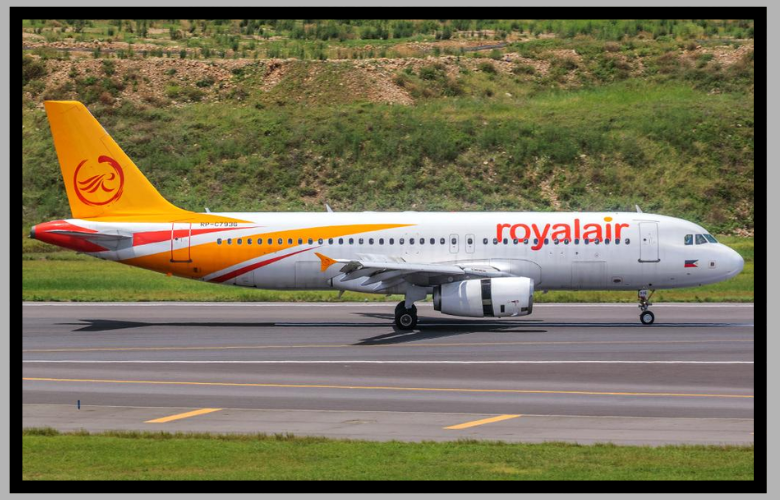
The liquidation process of the Royal Air Philippines is currently one of the most notable events to occur within the Philippine travel industry. With many wondering why this airline shut down, the liquidation of Royal Air Philippines poses a lot of issues for consumers, employees and the entire travel industry. Following a period where it had risen to prominence as a budget carrier of both domestic and international flights after having grown from being a charter operator to a passenger carrier, Royal Air Philippines eventually succumbed to operational costs and fierce competition causing it to cease its passenger operations and enter liquidation. This guide provides an in-depth insight on why this airline closed down, its owner, the type of aircraft used, the financial problems, effect on passengers, and what travelers can learn from this case.
Understanding Royal Air Philippines and Its Role in Philippine Aviation
Royal Air Philippines began operations as a charter airline before expanding into scheduled passenger services. The airline aimed to provide affordable travel while connecting domestic destinations and selected international routes across Asia. As tourism and regional travel grew, the company sought to establish itself as a competitive alternative to larger airlines by offering budget-friendly fares and convenient schedules.
For many travellers, particularly those seeking value for money, the airline became an attractive choice. It served leisure travellers, business passengers, and overseas Filipino workers who wanted reasonably priced flights without compromising on essential services. The airline’s growth reflected increasing demand for air travel within the Philippines, where aviation plays a vital role in connecting islands and supporting economic activity.
However, operating an airline is far more complicated than simply selling tickets. Every flight requires significant investment in aircraft maintenance, safety inspections, airport charges, insurance, fuel, staff training, and regulatory compliance. These costs remain high regardless of passenger numbers, making profitability difficult to maintain in a competitive market.
What Does Airline Liquidation Mean?
Liquidation is the formal legal process that occurs when a company is unable to meet its financial obligations and cannot continue operating. Unlike a temporary suspension of services, liquidation generally signals the end of the company’s existing business operations. A liquidator is appointed to identify and sell company assets, with the proceeds distributed to creditors according to legal priorities.
In the airline industry, liquidation has widespread consequences because airlines depend on numerous stakeholders. Aircraft may be leased rather than owned, employees require specialist skills, airports allocate valuable landing slots, and passengers often book flights months in advance. When an airline enters liquidation, these relationships are disrupted almost immediately.
For passengers, the most noticeable effect is the cancellation of scheduled flights. Depending on the circumstances, customers may need to apply for refunds, make insurance claims, or arrange alternative travel at short notice. Employees, suppliers, and travel agencies are also affected as the business winds down.
Understanding this process helps explain why airline failures can have far-reaching consequences beyond the company itself.
Why Royal Air Philippines Entered Liquidation
The collapse of Royal Air Philippines did not result from one isolated incident. Instead, it reflected a combination of financial, operational, and market-related challenges that gradually weakened the airline over several years.
One of the biggest pressures was the rising cost of operations. Fuel prices remain one of the largest expenses for any airline, and even modest increases can have a substantial impact on profitability. In addition, aircraft leasing costs, maintenance requirements, insurance premiums, airport fees, and staffing expenses continued to rise.
Competition also intensified. Larger airlines benefited from stronger financial resources, broader route networks, greater economies of scale, and higher brand recognition. Competing against these established carriers required Royal Air Philippines to keep fares competitive, reducing its ability to generate healthy profit margins.
At the same time, passenger demand on certain routes failed to meet expectations. Lower load factors meant aircraft often flew with empty seats, reducing revenue while fixed operating costs remained largely unchanged. As financial pressures accumulated, sustaining passenger operations became increasingly difficult.
The Financial Pressures Behind the Airline’s Collapse
The aviation industry is known for operating on relatively small profit margins. Although airlines generate substantial revenue, they also incur enormous operating costs every day. Aircraft require regular maintenance regardless of how frequently they fly, and strict safety regulations demand continuous investment in engineering, training, and compliance.
Royal Air Philippines reportedly experienced growing liabilities alongside declining financial flexibility. High debt levels reduced the company’s ability to invest in future growth while increasing pressure to meet repayment obligations. Limited cash reserves also affected the airline’s capacity to absorb unexpected economic shocks.
External factors further complicated the situation. Exchange rate movements influenced operating costs, particularly for expenses paid in foreign currencies. Global economic uncertainty also affected travel demand, making it more difficult to achieve consistent passenger growth.
Taken together, these challenges created a financial environment that became increasingly unsustainable. Rather than recovering through restructuring or additional investment, the airline ultimately entered liquidation.
Timeline of Major Events
| Year | Development |
|---|---|
| 2002 | Royal Air Philippines established as a charter airline. |
| 2018 | Expansion into scheduled passenger operations. |
| 2019–2023 | Route network and fleet continued to grow. |
| 2024–2025 | Financial pressures intensified as operating costs increased. |
| Late 2025 | Passenger services suspended. |
| Early 2026 | Liquidation process commenced. |
This timeline illustrates that the airline’s closure resulted from long-term financial difficulties rather than a single event. Understanding this progression provides valuable context for travellers and industry observers alike.
Royal Air Philippines Liquidation 2022
One of the biggest misconceptions surrounding the airline is the belief that Royal Air Philippines entered liquidation in 2022. In reality, this is incorrect. The airline did not go into liquidation during 2022. Instead, it resumed scheduled passenger operations that year after travel restrictions eased, including services between the Philippines and South Korea.
Throughout 2022, the airline focused on rebuilding its passenger network after the COVID-19 pandemic severely affected global aviation. Like many carriers, Royal Air Philippines faced reduced demand, operational challenges, and higher costs. However, it continued operating rather than entering insolvency.
The liquidation occurred much later. Passenger services were officially discontinued at the beginning of 2026, when the airline announced the suspension of all scheduled passenger flights due to significant financial challenges. Reports indicated that weak demand on key routes, increasing operating costs, and mounting liabilities contributed to the company’s inability to continue passenger operations.
For readers researching the airline, it is important to distinguish between its post-pandemic recovery efforts in 2022 and its eventual financial collapse several years later.
Royal Air Philippines Owner
Royal Air Philippines operates under Royal Air Charter Service, Inc., a Philippine-registered aviation company established in 2002. The airline is part of the Lanmei Group, an aviation and transport group with business interests across Asia.
During its scheduled passenger operations, the airline’s leadership was headed by Eduardo (Ed) Novillas, who served as the company’s Chief Executive Officer. Under his leadership, Royal Air Philippines expanded from charter operations into commercial low-cost passenger services, serving destinations across the Philippines and selected international markets.
The airline initially focused on charter flights carrying tourists before launching regular passenger services in 2018. This strategy allowed it to enter the competitive low-cost airline market while continuing to support charter operations for travel agencies and tourism partners.
Despite ambitious expansion plans, the airline faced increasing financial pressure from rising fuel costs, aircraft leasing expenses, and intense competition from larger Philippine carriers. These challenges ultimately contributed to the suspension of passenger operations and subsequent liquidation proceedings.
Royal Air Philippines Fleet
Royal Air Philippines operated a relatively small but versatile fleet designed for both passenger and cargo operations. During its scheduled passenger service years, the airline primarily relied on Airbus narrow-body aircraft suitable for regional routes throughout Southeast Asia.
Passenger Fleet
| Aircraft | Primary Use |
|---|---|
| Airbus A319-100 | Domestic and regional passenger services |
| Airbus A320-200 | Domestic and international passenger routes |
Cargo Fleet
Following the reduction of passenger services, the airline introduced converted freighter aircraft to support cargo operations.
| Aircraft | Role |
| Airbus A321-200PCF | Dedicated cargo aircraft |
Earlier in its history, Royal Air Philippines also operated BAe 146 aircraft during its charter airline period before transitioning to the Airbus fleet. This fleet modernisation helped improve fuel efficiency, maintenance standardisation, and operational flexibility.
Although the airline maintained a relatively small fleet compared with major Philippine carriers, it successfully supported charter flights, domestic services, international routes, and later cargo transportation.
Royal Air Philippines Wiki
Royal Air Philippines is a Philippine airline founded on 22 August 2002 as Royal Air Charter Service before launching scheduled commercial passenger flights in December 2018. Its headquarters are located at Clark International Airport, and the airline used the IATA code RW and ICAO code RYL, with the callsign DOUBLE GOLD.
Quick Facts
| Information | Details |
| Full Name | Royal Air Charter Service, Inc. |
| Brand Name | Royal Air Philippines |
| Founded | 22 August 2002 |
| Passenger Operations Began | 14 December 2018 |
| Headquarters | Clark International Airport, Philippines |
| Parent Company | Lanmei Group |
| CEO | Eduardo (Ed) Novillas |
| IATA Code | RW |
| ICAO Code | RYL |
| Callsign | DOUBLE GOLD |
| Primary Business | Charter, passenger, and cargo aviation |
The airline initially specialised in charter operations before expanding into scheduled domestic and international passenger flights. Over time, it developed routes connecting destinations in the Philippines with Asian countries, including South Korea, China, Hong Kong, and Taiwan.
However, growing financial pressures eventually forced the airline to suspend passenger operations. Scheduled passenger services officially ended in January 2026, marking the conclusion of more than two decades of aviation operations under the Royal Air Philippines brand. Limited cargo activities have been reported following the end of passenger services.
Frequently Asked Questions
What happened to Royal Air Philippines?
Royal Air Philippines suspended its scheduled passenger services in early 2026 due to financial difficulties, including rising costs and declining demand. The airline later entered liquidation, ending its passenger operations.
Did Royal Air Philippines go into liquidation in 2022?
No. Royal Air Philippines continued operating throughout 2022 as it rebuilt its network after the pandemic. The airline entered liquidation in 2026.
Who owns Royal Air Philippines?
Royal Air Philippines was operated by Royal Air Charter Service, Inc. and was part of the Lanmei Group. The airline was led by CEO Eduardo (Ed) Novillas.
How many aircraft did Royal Air Philippines have?
Before suspending passenger services, the airline operated a small fleet that included Airbus A319, Airbus A320, and Airbus A321 freighter aircraft.
Why were Philippine Airlines banned in the UK?
Philippine Airlines was affected by a UK and EU restriction on Philippine carriers due to concerns about the country’s aviation safety oversight. The restrictions were removed after the Philippines improved its regulatory standards.
Conclusion
The Royal Air Philippines liquidation highlights the financial challenges faced by regional airlines in an increasingly competitive aviation market. Rising operating costs, mounting financial pressures, and reduced passenger demand ultimately brought an end to the airline’s scheduled passenger services. While the closure was disappointing for travellers and employees, it offers valuable lessons about sustainable business growth, airline financial stability, and the importance of travel protection. Understanding the airline’s history and liquidation helps passengers make more informed travel decisions in the future.
