

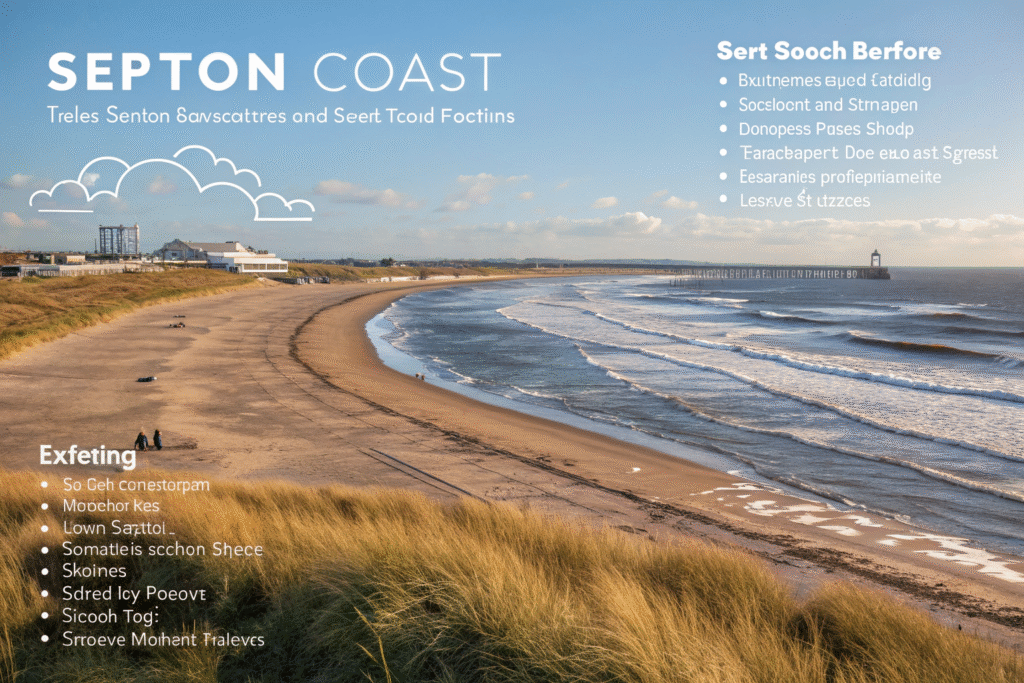
Southport Beach is one of the most remarkable coastal destinations in northwest England, celebrated for its expansive sands, dynamic tidal flats, and scenic Irish Sea views. Situated along the Merseyside coastline, the beach forms part of the protected Sefton Coast, a vital ecological area featuring dunes, wetlands, and diverse wildlife habitats. Unlike many traditional UK beaches, Southport Beach stretches far into the distance at low tide, creating an expansive, tranquil environment. This vast open space provides ideal opportunities for coastal walking, birdwatching, photography, and nature appreciation, making it a favorite destination for locals and tourists alike.
The beach’s appeal lies not only in its natural size but also in its connection to Southport town’s Victorian heritage and historic seaside culture. The promenade, Southport Pier, and surrounding gardens complement the beach experience without overshadowing the natural environment. Conservation efforts ensure that development remains limited, allowing the dunes, tidal flats, and marshland ecosystems to thrive. This balance between accessibility, recreation, and environmental protection defines as a unique coastal landscape in England.
Where Southport Beach Is Located
Southport Beach is located in the seaside town of Southport, Merseyside, on the northwest coast of England, facing the Irish Sea. It forms part of the Sefton Coast Nature Reserve, which stretches along 22 miles of protected shoreline. The beach is directly connected to Southport’s promenade and town center, making it accessible to pedestrians, cyclists, and public transport users. Its strategic location provides easy access from Liverpool, Preston, and Manchester, further contributing to its popularity as a day-trip destination.
The beach is flanked by sand dunes, coastal grasslands, and tidal flats, creating a distinctive setting compared to narrower or more commercialized UK beaches. Southport Pier, one of the longest iron piers in the country, adds a landmark feature to the area, enhancing the visitor experience. Modern transport options, including rail and bus services, make the beach convenient for both local residents and tourists, allowing them to enjoy the natural scale and scenic beauty of the coastline with minimal effort.
History and Coastal Development
History is deeply intertwined with the growth of Southport as a Victorian seaside resort. During the 19th century, the town became a popular destination for visitors seeking fresh sea air, leisure, and wellness by the coast. The construction of Southport Pier in 1834 allowed access to deeper waters, particularly during low tide when the vast sands would otherwise make swimming challenging. Over time, the promenade, hotels, gardens, and entertainment venues developed along the seafront, making Southport Beach both a recreational and cultural landmark.
Despite these developments, the beach itself remained largely open and natural, preserving its extensive tidal flats and dune systems. In recent decades, increased awareness of coastal erosion and environmental conservation has guided management practices. Protective measures now focus on maintaining the integrity of sand dunes, mudflats, and coastal grasslands while accommodating recreational activities. Today, reflects a harmonious blend of heritage, environmental stewardship, and public accessibility.
Geography and Natural Features
Southport Beach is renowned for its dramatic tidal range and expansive intertidal zone. At low tide, the Irish Sea can recede over a kilometre from the promenade, revealing broad sand flats, shallow tidal channels, and reflective wet sands. These conditions create striking vistas ideal for coastal photography, walking, and observing wildlife. The gradual slope of the beach makes it suitable for extended strolls, but visitors must remain aware of tidal times to ensure safety.
Behind the sands, extensive dunes and coastal grasslands form natural barriers against wind and wave erosion. Salt-tolerant plants and dune grasses stabilise the sandy coastline, preventing damage to inland areas while supporting diverse ecosystems. Mudflats provide essential feeding grounds for migratory birds, and the dynamic landscape changes continually due to natural sediment movement, wind, and tide patterns. This ever-evolving terrain contributes to unique character and ecological significance.
Why Southport Beach Is Covered in Grass
Certain areas of Southport Beach appear covered in grass due to natural dune vegetation and coastal plants. These grasses are crucial for stabilising sand dunes and protecting the shoreline from erosion caused by wind and tides. Over time, sediment movement allows these plants to colonize sandy areas closer to the promenade. This vegetation not only supports wildlife but also helps maintain the beach’s ecological balance.
The grassy dunes are part of the larger Sefton Coast ecosystem, which combines recreational access with environmental conservation. Visitors will notice a mixture of sandy expanses and vegetated zones, highlighting the contrast between natural preservation and public enjoyment. This feature distinguishes Southport Beach from more commercial, urbanized beaches in the UK.
Activities and Things to Do
Southport Beach offers a variety of activities that appeal to visitors of all ages. Walking and hiking along the sand flats are the most popular pastimes, with the promenade providing additional options for cycling and accessible routes. The flat terrain and reflective sands make the beach perfect for photography, particularly at sunrise and sunset when light enhances the tidal flats’ beauty.
Families often enjoy kite flying, picnicking, or exploring the dunes. Birdwatching is common, especially during migratory seasons when species such as redshanks and oystercatchers feed along the tidal flats. Nearby attractions, including Southport Pier, Marine Lake, and King’s Gardens, complement the natural beach experience. While swimming is limited due to mudflats and tides, the beach’s appeal lies in nature-based recreation, relaxation, and scenic enjoyment.
Southport Pier and Promenade
Southport Pier, extending over a kilometre into the Irish Sea, serves as a historical landmark and offers panoramic coastal views. Originally built to access deeper water at low tide, the pier now provides walking trails, scenic viewpoints, and tram rides for visitors. Its presence enhances the cultural and visual appeal of Southport Beach, blending history with recreation.
The promenade runs alongside the beach, connecting Southport Pier to nearby gardens, cafes, and shops. It serves as an accessible route for pedestrians, cyclists, and wheelchair users. The promenade provides convenience while allowing visitors to enjoy the natural coastal environment, creating a balance between urban amenities and ecological preservation.
Safety and Tidal Awareness
Southport Beach’s tidal flats are visually impressive but can be dangerous without awareness of tide times. The sea can advance rapidly during incoming tides, and soft sand or mud can pose risks to walkers. RNLI guidance advises visitors to stay near the promenade side and avoid walking too far from safety points. Signage along the beach highlights potential hazards.
Swimming is generally discouraged due to shallow water and strong tidal currents. Lifeguard patrols are available during peak summer months. Checking tide schedules before visiting ensures safety and maximizes enjoyment. Visitors should remain vigilant, especially when exploring areas near mudflats or distant tidal channels.
Facilities and Accessibility
Facilities near Southport Beach are concentrated along the promenade and town center. Public toilets, seating areas, cafes, and seasonal parking provide convenience for visitors. Accessible paths along the promenade allow wheelchair users and families with pushchairs to enjoy the area comfortably.
Additional attractions like Marine Lake, King’s Gardens, and Southport Pleasureland complement the beach experience. Public transport options, including trains from Liverpool and Manchester, as well as local bus services, improve accessibility. Proper signage ensures safe navigation and smooth access to amenities without disrupting the natural landscape.
Best Time to Visit
The best time to visit Southport Beach depends on your goals. Summer provides warm weather, long daylight hours, and lively promenade activity. Spring and autumn offer quiet beaches, comfortable walking temperatures, and ideal conditions for birdwatching and photography. Winter delivers solitude and dramatic coastal scenery.
Tide times should always be considered, as low tide reveals the beach’s full width and high tide can limit access. Early morning and evening visits are particularly popular for photography and peaceful walks. Layered clothing and waterproof footwear are recommended due to coastal winds and changing conditions.
Environmental Importance
Is an ecologically significant part of the Sefton Coast, supporting dunes, mudflats, and grasslands. Migratory birds feed along the tidal flats, while dunes provide habitats for rare plants and insects. Conservation programs aim to protect these ecosystems while maintaining public access. Visitors are encouraged to stay on designated paths and respect wildlife areas.
Human activity is managed carefully to prevent habitat damage. The combination of recreational use and environmental protection ensures the long-term sustainability of Southport Beach as both a natural and visitor-friendly destination.
Also ReadFrome Memorial Theatre: Discover the Charm and History of This Cultural Gem
FAQs
Are Dogs Allowed On Southport Beach
Dogs are allowed on with seasonal restrictions near the promenade in summer. Outside these periods, dogs can access most areas. Owners must keep dogs under control and clean up after them.
Why Is Southport Beach Covered In Grass
The beach has dune vegetation and salt-tolerant coastal plants that stabilise sand, prevent erosion, and support wildlife. Grassy areas are a natural feature of the Sefton Coast ecosystem.
When Is Southport Beach Open
Is open all year round with no official closing times. Facilities and parking may operate seasonally. Weather and tides affect access to certain areas.
Where Is Southport Beach
Is in Southport, Merseyside, along the Irish Sea. It forms part of the Sefton Coast and is accessible via the town centre and Southport Pier.
How Far Is Southport Beach
From Southport train station or town centre, the beach is a 10–15 minute walk. The distance to the water’s edge varies with tides and may take longer at low tide.
Travel Tips for Visitors
- Check tide schedules before visiting.
- Wear layered clothing and comfortable footwear.
- Bring water, snacks, and sun protection.
- Observe beach safety signs and RNLI guidance.
- Use public transport to reduce parking stress.
- Respect wildlife and stay on marked paths.
Conclusion
Southport Beach is one of England’s most distinctive coastal destinations, combining natural beauty, ecological significance, and Victorian seaside heritage. Its wide sands, tidal flats, dune systems, and proximity to Southport Pier and the promenade create a unique experience for walkers, photographers, birdwatchers, and families. Awareness of tides, weather, and dog regulations ensures a safe and enjoyable visit. With proper planning, visitors can explore one of the UK’s largest and most scenic beaches, while enjoying both the tranquility of nature and the convenience of nearby facilities.
