

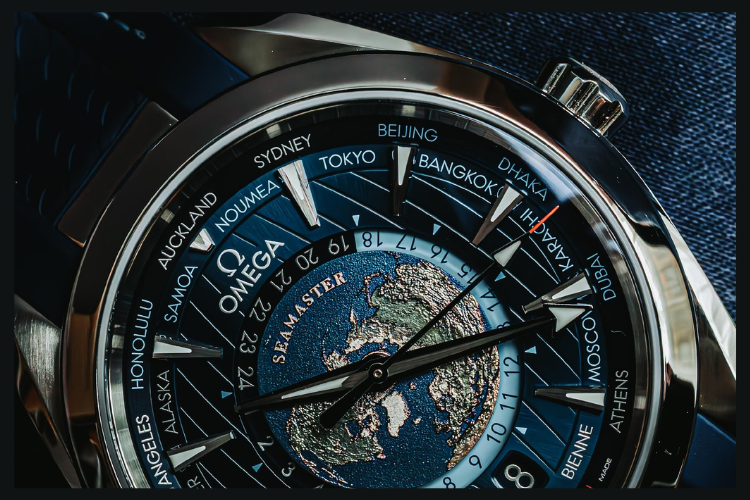
Travel has a way of simplifying things. You pack lighter than you planned, wear the same pieces more than you expected, and quickly realise what actually works and what doesn’t. The watch on your wrist is no different. It needs to handle long airport days, different climates, and the shift from daytime exploring to evenings out, all without drawing attention to itself or becoming a concern.
The best travel watches are not necessarily the most complicated or the most expensive. They are the ones you do not have to think about.
The Case for One Watch
For most trips, one watch is enough. In fact, it is usually the better option. Something balanced, understated and comfortable will carry you through almost any situation, whether that is a morning coffee in a new city or dinner later that evening.
This is where brands like Tudor tend to make the most sense. A well-proportioned sports watch with a clean dial and solid water resistance covers more ground than you might expect. It can sit just as comfortably with a t-shirt as it can with a jacket, and crucially, it does not feel out of place in either setting. If you are travelling with a single piece, a well-chosen option from a curated selection of pre-owned Tudor watches is about as reliable as it gets.
There is also something to be said for wearing a watch that does not immediately attract attention. Travel is not the time to be overly conscious of what is on your wrist. The best choices tend to blend in, quietly doing their job.
When Function Matters
There are trips where practicality starts to matter a little more. Crossing time zones, early departures, and keeping track of home time can make certain features genuinely useful rather than just interesting on paper.
This is where Omega watches stand out. Models with clear, legible dials and robust movements are already well suited to travel, but add in a GMT function or a well-executed dual-time display and they become even more useful. Being able to track a second time zone at a glance is one of those features you do not think you need until you have it.
Equally, Omega’s reputation for durability means you are less likely to worry about the watch itself. Whether it is worn on a bracelet or a strap, it is built to cope with movement, water, and the general unpredictability that comes with travelling.
What Actually Matters on the Road
Specifications only tell part of the story. In practice, a few key details make the difference.
Water resistance is one. Even if you are not planning to swim, travel has a habit of putting you in situations where a watch gets wet. A solid level of resistance removes that concern completely.
Comfort is another. A watch that feels fine at home can become irritating after a full day of wear in a different climate. Case size, thickness and strap choice all come into play here. Lighter, well-balanced pieces tend to win.
Then there is versatility. A watch that works across multiple settings means you do not need to think about changing it. That simplicity is part of the appeal.
Finally, there is discretion. The best travel watches do not try too hard. They look considered, not loud. That balance is what makes them easy to live with.
The Right Watch, Not the Obvious One
It is easy to assume that travel calls for something specific. A GMT, a diver, a particular complication. In reality, the best choice is usually the one that fits naturally into your routine and disappears into the background when you need it to.
A well-chosen watch should feel like part of the trip, not something you are managing alongside it. Get that right, and it becomes one less thing to think about, which is exactly the point.
