

The rental market in Maidstone has evolved considerably over recent years. Once dominated by straightforward long-term lets with predictable tenant expectations, the market has become more nuanced and varied. Different demographics now approach renting with entirely different priorities, lifestyles, and financial considerations.
For landlords, one question continues to arise repeatedly: should a property be offered furnished or unfurnished?
At first glance, the answer may seem simple. However, tenant expectations are shaped by far more than convenience alone. Employment patterns, mobility, family circumstances, and even hybrid working trends now influence how tenants choose properties.
Understanding what Maidstone tenants genuinely prefer requires a closer look at how the rental landscape is changing and what different types of renters value most.
2. Understanding the difference between furnished and unfurnished rentals
The distinction between furnished and unfurnished properties is not always as straightforward as tenants expect.
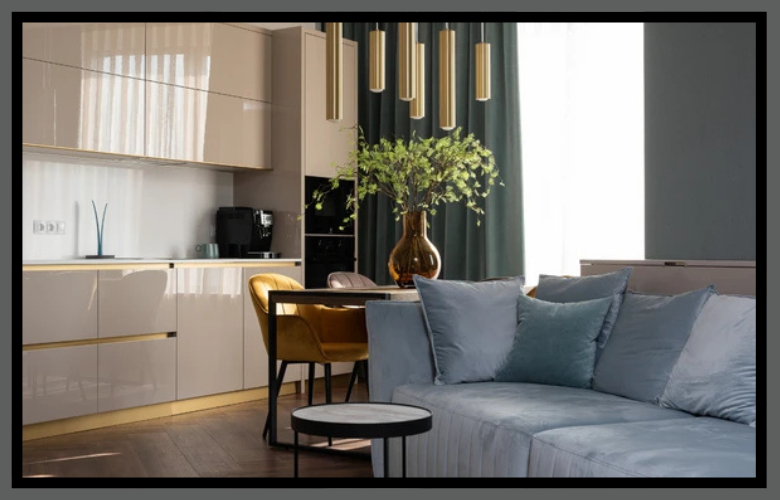
A furnished property typically includes essential items such as beds, wardrobes, sofas, dining tables, and kitchen appliances. Some may also provide smaller household items including curtains, white goods, and basic kitchen equipment.
Unfurnished properties, by contrast, generally contain only permanent fixtures such as fitted kitchens and bathrooms. However, many unfurnished rentals still include appliances like ovens, washing machines, or refrigerators.
There is also a middle ground. Part-furnished homes offer selective furniture items while allowing tenants flexibility to personalise the space themselves.
This flexibility has become increasingly important in today’s rental market.
3. Why tenant preferences are shifting in 2026
Tenant priorities in 2026 are shaped by both economic realities and lifestyle changes.
Remote and hybrid working have encouraged many renters to seek homes that feel more permanent and adaptable. Tenants now spend more time in their properties than they once did, which means comfort and personalisation have become more important.
At the same time, rising living costs have made affordability a major consideration. Some tenants prefer furnished homes because they reduce upfront moving expenses, while others choose unfurnished properties to avoid higher monthly rents.
There is no single universal preference anymore. Demand now varies significantly depending on the type of tenant and the location of the property.
4. The appeal of furnished properties for modern renters
Furnished properties offer obvious convenience. For many tenants, particularly younger professionals or people relocating for work, the ability to move into a ready-to-live-in property is highly attractive.
The simplicity of not needing to purchase large furniture items can reduce stress and initial expenses considerably. This is especially valuable for renters moving from other towns or cities who may not own substantial furniture already.
Furnished homes also appeal to tenants seeking flexibility. Shorter-term renters often prefer not to commit to buying furniture if they expect to relocate again within a few years.
In fast-moving rental markets, convenience frequently becomes a deciding factor.
5. Who typically prefers furnished homes?
Certain tenant groups consistently gravitate towards furnished properties.
Young professionals are among the most common. Many prioritise flexibility and convenience over long-term permanence, particularly during the early stages of their careers. A furnished flat near transport links or the town centre often suits their lifestyle perfectly.
Corporate tenants and contract workers also tend to favour furnished accommodation. Their employment situations may require temporary relocation, making fully equipped homes particularly practical.
Students and younger renters often prefer furnished homes as well, largely because they lack existing furniture and may not want the financial burden of purchasing it.
In these sectors of the market, furnished properties often attract stronger interest and faster occupancy.
6. The benefits of unfurnished properties for long-term tenants
Unfurnished homes appeal to a different type of renter altogether.
Families and long-term tenants usually prefer bringing their own furniture and creating a home environment that reflects their personal tastes. They often value stability more than flexibility and may remain in a property for several years.
For these tenants, unfurnished properties offer freedom. They can arrange rooms according to their own preferences without needing to accommodate a landlord’s furnishings.
There is also a psychological difference. An unfurnished property often feels less temporary and more personal, which can encourage tenants to stay longer and treat the property with greater care.
Longer tenancies frequently provide landlords with more predictable rental income and reduced turnover costs.
7. Financial considerations for landlords offering furnished rentals
Providing furniture involves financial implications for landlords.
Initially, furnishing a property requires investment. Good-quality beds, sofas, tables, and appliances can be expensive, particularly if landlords want the property to compete effectively in the market.
There are also replacement costs to consider. Furniture deteriorates over time, especially in high-turnover rental properties. Sofas wear out, mattresses age, and appliances eventually require replacement.
However, furnished properties can sometimes justify slightly higher rental prices depending on location and tenant demand. The additional income may offset the increased maintenance responsibilities.
Landlords must therefore evaluate whether the potential rental premium outweighs the ongoing expenses.
8. Maintenance, wear and tear, and ongoing responsibilities
Furnished properties naturally involve more responsibility for landlords.
Every item provided becomes part of the tenancy inventory and must be maintained appropriately. Damage disputes can occasionally arise regarding furniture condition, particularly if inventories are not detailed carefully.
Wear and tear also tends to be more noticeable in furnished homes. Upholstery, dining tables, and beds experience continual use and may need replacing periodically.
Unfurnished properties, by comparison, often involve fewer maintenance obligations. With fewer movable items under landlord responsibility, management can become simpler and less time-consuming.
Many landlords weigh this practical reality heavily when deciding how to market their property.
9. How location influences tenant expectations in Maidstone
Location significantly affects what tenants expect from a rental property.
Properties near Maidstone town centre, transport links, or business districts are more likely to attract professionals seeking convenience. In these areas, furnished apartments often perform particularly well.
Meanwhile, suburban areas with larger family homes tend to attract tenants seeking longer-term stability. These renters are generally more inclined towards unfurnished accommodation where they can establish a more permanent home environment.
Understanding the local demographic surrounding a property is therefore essential when deciding how to present it to the market.
10. Student, professional, and family rental trends
Different renter demographics continue to shape Maidstone’s rental trends.
Students and younger renters frequently prioritise affordability and convenience. Furnished accommodation removes the burden of buying furniture while simplifying the moving process.
Professionals often look for practicality combined with quality. They may favour furnished flats if relocating temporarily or unfurnished homes if planning a longer stay.
Families usually prioritise stability, schools, outdoor space, and long-term suitability. For this group, unfurnished properties remain particularly attractive.
Letting agents in Maidstone increasingly observe that successful landlords tailor their offering according to the most likely tenant demographic for their specific property.
11. What tenants actually look for beyond furniture
Interestingly, furniture itself is rarely the only deciding factor.
Tenants consistently prioritise cleanliness, condition, location, natural light, storage, and energy efficiency. A poorly maintained furnished property may struggle to attract interest, while a clean and modern unfurnished home can perform extremely well.
Internet connectivity has also become increasingly important, particularly for remote workers. Parking availability, outdoor space, and modern kitchens continue to influence tenant decisions strongly as well.
Ultimately, presentation and practicality often matter more than whether furniture is included.
12. How landlords can decide which option suits their property best
Choosing whether to furnish a property should involve careful consideration rather than assumption.
Landlords should evaluate the property type, location, target demographic, and expected tenancy length. A city-centre flat may perform best fully furnished, while a suburban family house may attract stronger long-term tenants if offered unfurnished.
It is also sensible to assess local competition. Understanding how similar nearby properties are marketed can help landlords position their property more effectively.
Flexibility can sometimes be advantageous too. Some landlords advertise properties as negotiable regarding furnishings, allowing them to appeal to a wider range of tenants.
13. Advice from local letting professionals on current demand
Rental demand patterns continue to evolve, particularly as economic conditions and working habits shift.
Letting agents in Maidstone frequently advise landlords to focus less on rigid assumptions and more on understanding the practical needs of modern tenants. Demand varies considerably depending on property style, price point, and neighbourhood.
Well-maintained properties with realistic pricing consistently outperform poorly presented homes regardless of whether they are furnished or unfurnished.
Professional guidance can help landlords identify which approach is most likely to maximise occupancy and rental return.
14. Final thoughts: Finding the right balance for landlords and tenants
The debate between furnished and unfurnished rentals is unlikely to disappear because there is no universally correct answer.
Different tenants seek different experiences from renting. Some value flexibility and convenience above all else, while others prioritise permanence and personalisation.
For landlords, success often comes from understanding who the property is most likely to attract and tailoring the offering accordingly. A thoughtful approach can improve tenant quality, reduce void periods, and strengthen long-term returns.
In Maidstone’s increasingly competitive rental market, adaptability and awareness of tenant expectations are becoming more important than ever.
