

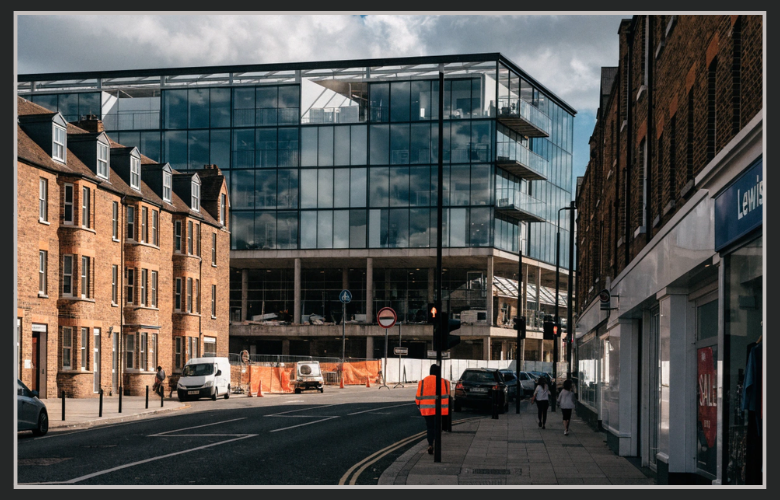
The Lewisham shopping centre redevelopment is one of the most significant urban regeneration projects planned in South East London. The ambitious masterplan goes far beyond refurbishing an ageing shopping centre. Instead, it aims to create a vibrant mixed-use neighbourhood that combines modern homes, upgraded retail, cultural venues, landscaped public spaces, and improved transport links in one integrated town centre. As consumer habits change and demand for housing continues to grow across London, regeneration schemes like this are becoming increasingly important for supporting sustainable communities and long-term economic growth.
For local residents, businesses, investors, and visitors, the redevelopment represents a major opportunity. New homes could help meet housing demand, while enhanced shopping, dining, and leisure facilities are expected to attract more visitors throughout the week. At the same time, new parks, public squares, and walking routes aim to create a greener, healthier environment. This guide explains everything you need to know about the project, its planned features, potential benefits, challenges, and what it could mean for the future of Lewisham.
What Is the Lewisham Shopping Centre Redevelopment?
The Lewisham shopping centre redevelopment is a large-scale regeneration project designed to transform the existing shopping centre and surrounding land into a modern destination where people can live, work, shop, and socialise. Rather than focusing solely on retail, the vision introduces a balanced mix of residential, commercial, cultural, and public spaces that better reflect how modern town centres operate.
The current shopping centre has served the community for decades, but changing shopping habits and population growth have highlighted the need for a more flexible urban environment. Traditional retail alone is no longer enough to sustain busy town centres. Today’s successful developments combine housing, entertainment, restaurants, offices, community facilities, and attractive public areas that remain active from morning until evening.
The redevelopment also places sustainability at the heart of its design. Greener streets, improved walking and cycling routes, energy-efficient buildings, and expanded public spaces aim to create an environment that supports both economic activity and a better quality of life. Instead of replacing one shopping centre with another, the project seeks to reshape the entire town centre into a destination that can continue evolving over the coming decades.
Why the Redevelopment Matters for Lewisham
Across the UK, town centres are adapting to changing lifestyles. Online shopping has reduced demand for large retail-only developments, while London’s growing population has increased pressure on housing, transport, and public infrastructure. The redevelopment responds directly to these challenges by creating a more diverse and resilient urban environment.
Lewisham already benefits from excellent transport connections, including National Rail, the Docklands Light Railway, and an extensive bus network. These transport links make it an attractive location for both residential and commercial investment. By increasing housing while improving retail and leisure facilities, the project aims to maximise the value of this well-connected location.
Another important reason the redevelopment matters is its potential to strengthen the local economy. Modern mixed-use developments typically generate activity throughout the day instead of relying only on daytime shoppers. Residents, office workers, students, and visitors all contribute to a more stable local economy by supporting shops, cafés, restaurants, entertainment venues, and independent businesses throughout the week.
The project also reflects wider planning priorities across London, where sustainable growth focuses on creating walkable neighbourhoods with better public spaces, reduced car dependency, and stronger community facilities.
Key Features of the Masterplan
One reason the redevelopment has attracted widespread attention is the scale of the proposed transformation. Rather than delivering a single new building, the project introduces an entirely new urban layout that combines multiple uses within one integrated development.
The masterplan includes:
- More than 1,700 new homes
- Affordable housing within the overall development
- Purpose-built student accommodation
- Modern retail units for national and independent businesses
- New cafés, restaurants, and leisure facilities
- A dedicated arts and cultural venue
- Three landscaped public squares
- Hundreds of newly planted trees
- Significant new green public space
- Improved pedestrian and cycling connections
- Better integration with Lewisham Station and surrounding transport services
- Flexible commercial space for future businesses
These features are designed to ensure the town centre remains attractive throughout the day and evening. Instead of functioning purely as a shopping destination, Lewisham would become a place where people choose to spend time, meet friends, work remotely, attend events, and enjoy community activities.
The Vision Behind the Regeneration
Successful regeneration is about far more than constructing new buildings. It is about creating places where people genuinely want to spend time. The vision behind the Lewisham redevelopment reflects this broader philosophy by combining economic development with environmental improvements and stronger community infrastructure.
One key objective is to reconnect different parts of Lewisham town centre that currently feel separated by older building layouts and busy roads. Improved pedestrian routes and attractive public spaces are expected to make moving around the area easier while encouraging more people to walk instead of drive short distances.
The introduction of additional green spaces also reflects growing recognition of the importance of urban biodiversity and public wellbeing. Parks, tree-lined streets, and landscaped squares not only improve visual appeal but can also reduce urban heat, improve air quality, and provide spaces where local communities can gather throughout the year.
Rather than creating an isolated shopping complex, the redevelopment aims to establish a neighbourhood that supports everyday life through housing, employment, recreation, education, and cultural activities.
Benefits of the Lewisham Shopping Centre Redevelopment
The regeneration project offers benefits that extend well beyond new buildings. One of its greatest strengths is its ability to support several long-term priorities simultaneously, including housing, employment, sustainability, transport, and community wellbeing.
New homes will help accommodate population growth while bringing additional customers to local businesses. Increased residential activity often creates stronger demand for supermarkets, cafés, healthcare services, gyms, childcare providers, and independent retailers, supporting a healthier local economy.
Public spaces also play an essential role. Modern town centres increasingly compete on experience rather than simply retail choice. Attractive squares, outdoor seating, landscaped gardens, and cultural venues encourage people to stay longer, attend events, and spend more time supporting local businesses.
Environmental improvements represent another major advantage. Additional trees, greener streets, improved drainage systems, and energy-efficient construction methods contribute to a more sustainable urban environment while helping Lewisham adapt to future climate challenges.
Perhaps most importantly, the redevelopment creates opportunities for long-term investment. Improved infrastructure, modern commercial space, and enhanced public facilities can increase confidence among businesses while encouraging further regeneration across neighbouring parts of the borough.
How Local Businesses Could Benefit
Independent retailers and national brands alike stand to gain from a regenerated town centre designed around modern consumer behaviour. Instead of depending solely on daytime shopping trips, businesses could benefit from a larger resident population that uses local services throughout the day and evening.
Restaurants and cafés often perform particularly well in mixed-use developments where offices, homes, leisure facilities, and cultural venues generate continuous footfall. Visitors attending events or spending time in public spaces are also more likely to support nearby businesses.
The redevelopment could also improve the overall shopping experience by providing larger, more flexible retail units capable of accommodating evolving retail formats. Modern commercial spaces allow businesses to combine traditional shopping with click-and-collect services, experiential retail, and community events, helping them compete in an increasingly digital marketplace.
For entrepreneurs, the project may create opportunities to establish new independent businesses within a revitalised town centre that attracts a broader and more diverse customer base.
