

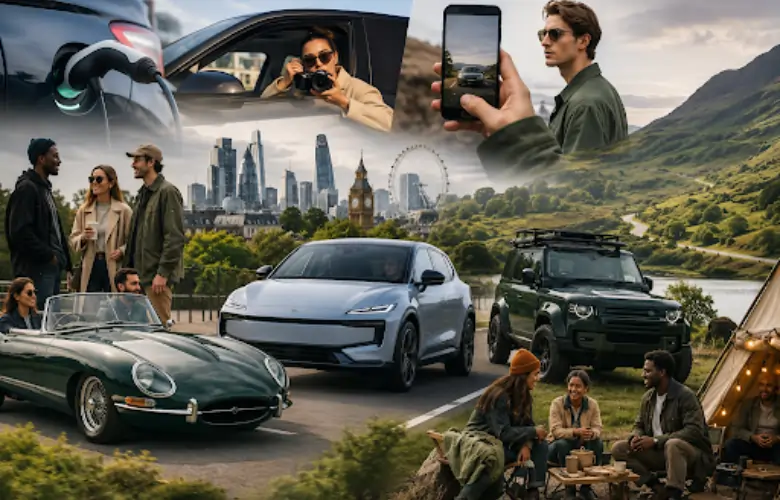
For decades, British car culture was often associated with a familiar image: performance-focused enthusiasts gathering around combustion engines, discussing horsepower figures, lap times, and mechanical upgrades. While that world still exists and continues to thrive, the culture surrounding cars in the UK has broadened dramatically in recent years.
Today’s automotive communities are increasingly shaped by lifestyle, technology, sustainability, travel, fashion, and digital identity. Younger drivers are engaging with cars differently from previous generations, and the result is a more inclusive and varied car culture that reflects wider social changes across Britain.
From Mechanical Obsession to Personal Expression
Traditional petrolhead culture largely revolved around technical expertise. Enthusiasts were often judged by their understanding of engines, tuning, or motorsport history. Modern car culture, however, places far greater emphasis on individuality and self-expression.
For many younger motorists, a car is no longer simply a machine to optimise for speed or performance. It has become an extension of personal identity. Aesthetic modifications, colour palettes, interior styling, lighting setups, and curated accessories now play a central role in how drivers present themselves both online and offline.
This shift has also coincided with the rise of social media platforms where visual presentation matters. Platforms like Instagram, TikTok, and YouTube have transformed how enthusiasts share their vehicles, creating communities built around storytelling, photography, travel experiences, and lifestyle branding rather than purely technical discussions.
In many ways, British car culture now overlaps with fashion and design culture as much as it does with traditional engineering enthusiasm.
The Influence of Social Media Communities
The digital transformation of automotive culture has arguably been one of the biggest changes of the past decade. Car meets are no longer organised exclusively through enthusiast forums or niche owner clubs. Instead, social platforms allow communities to form around aesthetics, driving experiences, and content creation.
Modern enthusiasts often build audiences around road trips, cinematic car photography, detailing routines, or restoration projects documented online. Some drivers focus on sustainable motoring, while others blend automotive interests with travel, music, or streetwear culture.
This evolution has made car communities more accessible to people who may previously have felt excluded from traditional enthusiast spaces. Interest in cars is no longer dependent on deep mechanical knowledge or participation in track culture.
Instead, people engage through creativity, design, lifestyle, and digital culture.
EVs Are Redefining What Enthusiasm Looks Like
Electric vehicles have also played a major role in reshaping automotive identity in Britain. Early scepticism around EV culture often centred on the belief that electric cars lacked emotion or enthusiast appeal. Yet attitudes are changing rapidly.
A growing number of younger motorists are less emotionally attached to internal combustion engines than previous generations. Sustainability, technology integration, low running costs, and modern design now carry significant weight in purchasing decisions.
At the same time, EV ownership has introduced entirely new forms of automotive enthusiasm. Owners discuss charging infrastructure, software updates, battery performance, and smart connectivity with the same passion traditional enthusiasts once reserved for exhaust systems and turbochargers.
Customisation trends are evolving too. Rather than focusing solely on mechanical modifications, many EV owners are prioritising digital interfaces, lighting design, minimalist interiors, and exterior styling packages.
The definition of what makes a “car enthusiast” is becoming broader and more flexible.
The Rise of Experience-Driven Motoring
Another major shift within British car culture is the growing importance of experiences over specifications.
For previous generations, conversations often centred on performance metrics or brand loyalty. Today, many drivers are more interested in how a vehicle fits into their lifestyle. Weekend road trips, countryside exploration, camping setups, and scenic driving routes are becoming increasingly central to automotive content and ownership culture.
This has contributed to the popularity of vehicles associated with versatility and adventure rather than outright performance. SUVs, camper conversions, and practical crossovers now occupy cultural spaces once dominated by sports saloons and hot hatches.
The rise of “drive tourism” across the UK reflects this change. Scenic routes through Scotland, Wales, Cornwall, and the Lake District are frequently showcased online, with the journey itself becoming more important than the destination.
Cars are increasingly viewed as tools for experiences rather than simply status symbols or engineering projects.
Personalisation Without Excess
Interestingly, while customisation remains important, British drivers are often moving toward more restrained forms of vehicle personalisation.
Minimalist styling trends, subtle visual upgrades, premium detailing, and carefully curated aesthetics are becoming more common than extreme body kits or loud modifications. This reflects broader design trends across fashion, interiors, and consumer technology.
Drivers are increasingly interested in creating vehicles that feel distinctive without appearing overly aggressive or attention-seeking.
Even small details contribute to this sense of individuality. Personalised registration plates, for example, continue to appeal to motorists who want their vehicles to feel unique without fundamentally altering the car itself. Companies such as Number 1 Plates have benefited from growing demand among drivers seeking subtle forms of automotive self-expression that align with modern personal branding trends.
Importantly, this type of personalisation is often less about prestige and more about identity.
A More Inclusive Automotive Space
Perhaps the most significant cultural shift is the growing inclusivity within British automotive communities.
Historically, car culture could sometimes feel exclusive or intimidating, particularly for newcomers, younger drivers, or those without technical expertise. Today’s communities are generally more welcoming to different backgrounds, interests, and forms of participation.
Women-led automotive content creators have gained major audiences. EV groups attract environmentally conscious drivers who may never have identified with traditional enthusiast culture. Lifestyle-oriented communities appeal to people interested in travel, photography, or design alongside cars themselves.
This diversification has strengthened the overall culture rather than weakened it.
The modern British automotive scene now contains multiple overlapping subcultures: performance enthusiasts, EV adopters, restoration specialists, luxury collectors, travel-focused creators, sustainability advocates, and digital content communities. Rather than competing, these groups increasingly coexist within the same broader ecosystem.
Conclusion
British car culture is no longer defined solely by traditional petrolhead stereotypes. While performance engineering and motorsport enthusiasm remain important, the culture surrounding cars has evolved into something far more varied and reflective of modern society.
Technology, sustainability, social media, design, and lifestyle now influence how people connect with vehicles and with each other. Enthusiasm has become less about fitting a narrow mould and more about personal expression, shared experiences, and community.
As automotive technology continues to change, British car culture will likely become even more diverse. The future enthusiast may be just as interested in digital interfaces, travel content, sustainable driving, and visual storytelling as they are in horsepower figures or engine modifications — and that evolution is already well underway.
