

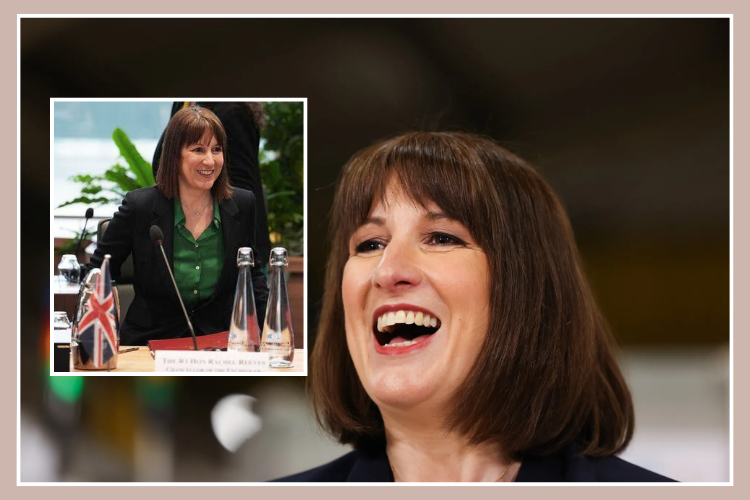
The proposed Rachel Reeves cash ISA changes have become one of the biggest talking points in UK personal finance. Millions of people rely on Cash ISAs to protect their savings from tax while earning interest in a safe and predictable environment. For years, Cash ISAs have been viewed as one of the simplest and most effective ways to save money, particularly for individuals who want security rather than investment risk.
Recent discussions about reforming the Cash ISA system have raised important questions about the future of tax-free savings. The government believes that encouraging more people to invest could help households build greater long-term wealth and support economic growth. Critics, however, argue that reducing the attractiveness of Cash ISAs may punish cautious savers who simply want a safe place to keep their money.
The debate is significant because it affects millions of people across the UK. Whether you are saving for a house deposit, building an emergency fund, planning for retirement, or simply looking to maximise your tax-free savings allowance, understanding these potential changes is essential. This guide explains everything you need to know about Rachel Reeves cash ISAs, why reforms are being considered, how they could affect savers, and whether Cash ISAs will remain an attractive option in the years ahead.
What Are the Rachel Reeves Cash ISA Changes
The proposed reforms on changing how much money people can place into Cash ISAs each year while keeping the overall ISA allowance available. Although the final details may evolve, the core objective is clear: encourage more savers to move part of their money into investment-based products rather than holding large balances entirely in cash.
For decades, Cash ISAs have allowed individuals to save tax-free without worrying about market volatility. This flexibility has made them one of the UK’s most popular savings products. The government now believes that many households could potentially achieve stronger long-term returns by investing some of their savings rather than relying solely on cash accounts.
Supporters of the reforms argue that too much money remains in low-growth savings products. They believe a shift towards investment could help people accumulate more wealth over time. Critics, on the other hand, argue that savers should retain complete freedom to choose how they use their ISA allowance without government influence.
The proposed changes therefore represent more than a technical adjustment to savings rules. They reflect a broader shift in how policymakers think about wealth creation, financial planning, and economic growth.
Why Cash ISAs Have Always Been Popular
Cash ISAs have remained a savings product because they provide something many people value highly: certainty. Unlike investments, where values can rise and fall, Cash ISAs offer predictable growth through interest payments. Savers know exactly how much money they have and can generally access it when needed.
This simplicity has made Cash ISAs especially attractive to first-time buyers, retirees, families, and anyone building an emergency fund. People saving for short-term goals often prefer the security of cash because they cannot afford to risk losses from market fluctuations.
Another major advantage is tax efficiency. Interest earned inside a Cash ISA is free from income tax, making it an attractive option for people looking to returns on their savings.
Over the years, billions of pounds have flowed into Cash ISAs because they combine accessibility, security, and tax benefits in a single product. This popularity explains why any proposed changes generate intense public interest and widespread debate among financial experts.
Rachel Reeves Cash ISAs and What They Mean for the Future of Saving
The discussion around Rachel Reeves cash ISAs highlights a fundamental question about personal finance: should people security or growth? Policymakers increasingly argue that many households could benefit from investing more and relying less on cash savings. Their view is that long-term investment can generate stronger returns and better protect wealth from inflation.
However, millions of people continue to value the stability offered by Cash ISAs. For someone saving for a property purchase, university fees, or unexpected expenses, protecting capital is often more important than achieving higher returns. The possibility of losing money through investment can outweigh the potential rewards.
The future of saving in the UK may involve a more balanced approach. Rather than choosing between cash and investing, many financial experts encourage people to use both. Cash savings can provide stability and emergency protection, while investments can support long-term growth objectives.
The debate surrounding Cash ISA reforms is therefore likely to shape how future generations think about saving, investing, and building financial security.
Why the Government Wants More People to Invest
One of the strongest arguments behind the reforms is that cash savings often struggle to keep pace with inflation over long periods. When inflation exceeds the interest rate earned on savings accounts, the real value of money gradually declines.
Policymakers believe that encouraging greater participation in investment markets could help households generate stronger returns. Historically, diversified stock market investments have outperformed cash over extended periods, although past performance does not guarantee future results.
The government also hopes that increased investment activity will benefit the wider economy. When individuals invest through Stocks and Shares ISAs, their money can help fund businesses, support innovation, and create jobs. Greater investment participation can therefore contribute to economic growth while potentially increasing household wealth.
Supporters argue that many people underestimate the long-term benefits of investing and remain overly cautious. By nudging savers toward investment products, the reforms aim to improve financial outcomes for future generations.
Also Read:Rachel Reeves Net Worth 2025: Inside the $2 Million Fortune of the UK Chancellor
Conclusion
The Rachel Reeves cash ISA changes have generated significant discussion because they touch on one of the most important aspects of personal finance: how people save for their future. Supporters believe the reforms could encourage greater investment, improve long-term wealth creation, and help more households achieve stronger financial outcomes. Critics argue that reducing the appeal of Cash ISAs may disadvantage cautious savers who security, stability, and easy access to their money.
The reality is that both cash savings and investments have important roles within a balanced financial strategy. Cash ISAs remain valuable for emergency funds, short-term goals, and anyone seeking predictable returns without market risk. Meanwhile, investment-based ISAs can provide stronger growth potential over the long term. As the debate continues, savers should focus on their personal goals, risk tolerance, and financial needs rather than following broad trends. Understanding the proposed changes today can help you make informed decisions and build a savings strategy that remains effective for years to come.
