

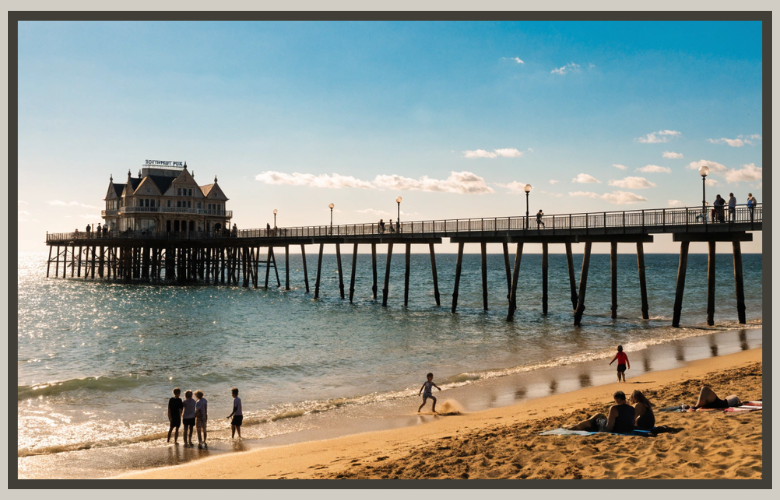
Southport is one of the UK’s most charming seaside towns, attracting millions of visitors each year with its golden coastline, historic pier, championship golf courses, vibrant events, and beautiful parks. While its attractions are well known, the weather is often one of the biggest factors that shapes every visit. Whether you are planning a family holiday, a golfing break, a beach day, or simply wondering what to expect throughout the year, understanding Southport weather helps you make better decisions and enjoy everything the town has to offer.
Situated on England’s north-west coast, Southport experiences a temperate maritime climate influenced by the Irish Sea. This creates generally mild winters, comfortable summers, refreshing coastal breezes, and changing conditions that give the town its unique character. Unlike destinations that experience prolonged periods of extreme heat or severe cold, Southport offers a balanced climate suitable for outdoor activities throughout much of the year. In this comprehensive guide, you’ll discover seasonal weather patterns, monthly temperatures, rainfall, sunshine hours, and practical tips that make planning your visit easier and more enjoyable.
What Makes Southport Weather Unique?
Southport enjoys a climate that is noticeably different from many inland areas of England. Its location beside the Irish Sea means the sea acts as a natural temperature regulator, helping to prevent dramatic changes in weather. Summers remain pleasantly warm without becoming excessively hot, while winters are generally milder than those experienced further inland.
One of the defining characteristics of Southport weather is its variability. It is not unusual to experience sunshine, light cloud, and a brief shower all within the same afternoon. While this may seem unpredictable to first-time visitors, locals are accustomed to these quick weather changes and simply prepare by carrying a light waterproof jacket.
Fresh sea breezes are another important feature. During warmer months these breezes help keep temperatures comfortable, making outdoor attractions more enjoyable even on sunny days. In winter, stronger coastal winds create dramatic scenery along Marine Lake and the seafront, attracting photographers and walkers who appreciate the beauty of the coastline during every season.
Overall, Southport offers a balanced climate that supports tourism, outdoor recreation, sporting events, and everyday life throughout the year.
Where Is Southport and How Does Its Location Affect the Weather?
Southport lies on the north-west coast of England in Merseyside, positioned between Liverpool and Blackpool along the Irish Sea. Its coastal location has a significant influence on local weather patterns throughout the year.
Large bodies of water warm up and cool down much more slowly than land. Because of this, the Irish Sea moderates temperatures across Southport. During summer, the sea absorbs heat, preventing temperatures from becoming excessively high. During winter, the stored warmth helps reduce the severity of cold spells.
Atlantic weather systems also play an important role. Much of the UK’s weather arrives from the west, bringing periods of cloud, rain, and fresh winds. Southport often experiences these systems before inland towns, although they usually move through relatively quickly.
Humidity levels are also slightly higher than inland locations because of the nearby sea. This occasionally produces misty mornings or coastal fog, particularly during spring and autumn. Fortunately, these conditions often clear as the day progresses.
The combination of coastal breezes, moderate temperatures, and changing skies creates the distinctive climate that visitors experience throughout the year.
Southport Weather Throughout the Four Seasons
Spring marks the beginning of longer days and increasingly pleasant weather. March often starts cool, but temperatures steadily rise through April and May as flowers bloom across Victoria Park, Botanic Gardens, and surrounding countryside.
Average daytime temperatures range from around 10°C in early spring to approximately 17°C by late May. Rain showers remain possible, but they are often followed by bright sunshine and blue skies.
Spring is particularly popular with walkers, cyclists, photographers, and wildlife enthusiasts because natural landscapes become increasingly vibrant while visitor numbers remain lower than during summer.
Summer Offers the Warmest and Brightest Weather
Summer is the busiest tourism season in Southport for good reason. Longer daylight hours, warmer temperatures, and generally settled conditions encourage visitors to enjoy beaches, parks, outdoor cafés, festivals, and sporting events.
Daytime temperatures usually range between 18°C and 22°C, although occasional heatwaves can push temperatures above 25°C.
Unlike some inland parts of England, Southport rarely experiences prolonged uncomfortable heat. Cooling sea breezes help create pleasant conditions throughout the day, making outdoor sightseeing far more enjoyable.
Even during summer, occasional rain showers can develop. However, these are often short-lived and quickly replaced by sunshine.
Autumn Creates Beautiful Coastal Scenery
Autumn transforms Southport into a quieter but equally attractive destination. Trees begin changing color while cooler temperatures make long coastal walks particularly enjoyable.
September often feels surprisingly similar to late summer, with daytime temperatures remaining around 18°C or higher. October and November become cooler as Atlantic weather systems become more frequent.
Rainfall increases gradually during autumn, while stronger coastal winds occasionally create dramatic waves along the promenade. Despite this, many visitors appreciate the peaceful atmosphere, reduced crowds, and colorful scenery that autumn provides.
Winter Remains Relatively Mild
Winter in Southport is much milder than many people expect. Although temperatures regularly fall below 10°C, prolonged freezing weather is relatively uncommon due to the moderating influence of the Irish Sea.
Typical daytime temperatures range between 5°C and 8°C, while overnight temperatures occasionally fall close to freezing.
Snowfall is relatively rare and usually melts quickly. Instead, winter weather is more likely to include cloudy skies, brisk winds, occasional rain, and crisp sunny mornings.
Many visitors enjoy Southport during winter because attractions remain open, accommodation is often more affordable, and the coastline offers peaceful scenery away from peak tourist crowds.
Monthly Weather in Southport
Weather patterns change gradually throughout the year, making every month slightly different.
| Month | Average High | Average Low | Weather Overview |
|---|---|---|---|
| January | 7°C | 2°C | Cold, cloudy, occasional frost |
| February | 8°C | 2°C | Cool with increasing sunshine |
| March | 10°C | 3°C | Fresh spring weather begins |
| April | 13°C | 5°C | Mild with longer sunny spells |
| May | 17°C | 8°C | Pleasant temperatures and blooming gardens |
| June | 19°C | 11°C | Comfortable early summer |
| July | 21°C | 13°C | Warmest month with long daylight hours |
| August | 21°C | 13°C | Warm, pleasant evenings and busy beaches |
| September | 18°C | 11°C | Mild autumn weather |
| October | 15°C | 8°C | Cooler with colorful scenery |
| November | 10°C | 5°C | Cloudier with stronger winds |
| December | 8°C | 3°C | Mild winter conditions |
These averages provide a useful guide, although individual years may experience warmer or cooler periods depending on wider UK weather patterns.
Temperature Patterns Throughout the Year
One of Southport’s biggest advantages is its relatively stable annual temperature range. Unlike destinations that experience severe seasonal extremes, temperatures remain comfortable for much of the year.
Spring sees gradual warming after winter, creating excellent conditions for outdoor exploration. Summer temperatures remain pleasant rather than excessively hot, making beach visits, golfing holidays, cycling trips, and sightseeing more comfortable.
Autumn brings gentle cooling without immediate harsh weather, extending opportunities for outdoor activities well into October. Winter temperatures rarely become dangerously low, allowing residents and visitors to continue enjoying the town’s attractions with appropriate clothing.
This moderate climate is one of the main reasons Southport continues attracting retirees, families, and holidaymakers throughout every season.
Rainfall in Southport
Rain is a normal part of life in any coastal town, and Southport is no exception. However, rainfall is generally spread across the year rather than concentrated into a single wet season.
Showers are often brief and followed by brighter conditions, meaning outdoor plans rarely need to be cancelled for an entire day. Carrying a lightweight waterproof jacket is usually sufficient for dealing with unexpected showers.
Spring and summer often provide the longest dry periods, although occasional thunderstorms can occur during warmer weather. Autumn tends to be wetter as Atlantic weather systems become more active, while winter brings a mixture of rain, cloud, and occasional bright sunshine.
For most visitors, rainfall is simply part of the authentic British seaside experience rather than a significant inconvenience.
